|
CN
Overview of Jiangxi

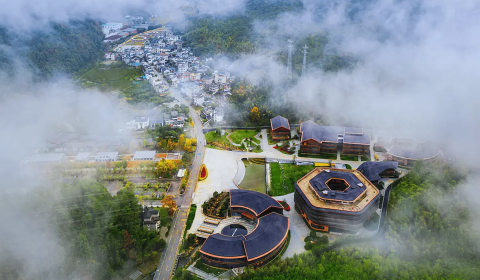
Jiangxi is a place of outstanding people and rich culture, with a profound history of valuing education and learning.

The Bailudong Academy, regarded as the foremost of China's four great ancient academies, has impacted on generations with its ethos of ‘Scholarship and Perseverance’.

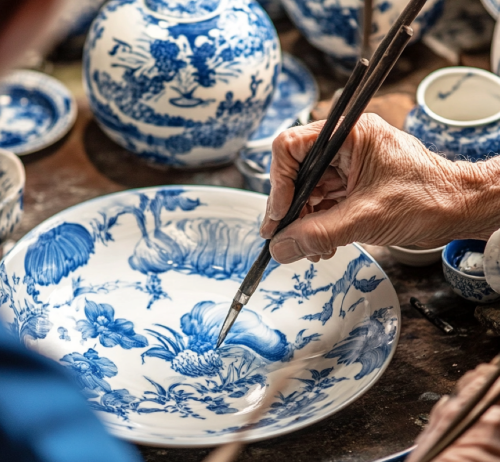
The porcelain artistry of Jingdezhen, refined over a millennium of kiln fires, once served as a bridge for cultural exchange between East and West along the Maritime Silk Road.

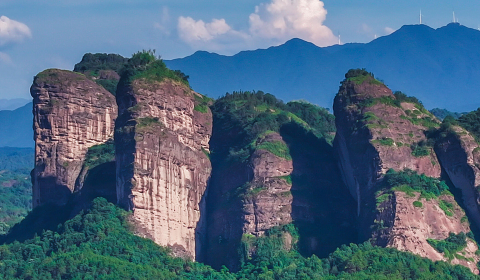
Meanwhile, the wisdom of Taoist philosophy, ‘Let it be’, embodied by the Longhu Mountain and its principle of following the laws of nature, has imbued this land with a unique spiritual character.

These cultural legacies form the deep-rooted foundation for Jiangxi's educational development.

School institution data

Jiangxi has consistently prioritized education in its development strategy.

By the end of 2024, there were over 17,800 educational institutions at various levels across the province, including 111 general higher education institutions (47 undergraduate colleges and 64 polytechnics), with a student population exceeding 1.69 million.

There are 272 secondary vocational schools with nearly 460,000 students enrolled; and beyond 17,400 primary and secondary schools (including kindergartens) with more than 8 million students enrolled. This comprehensive system spans all educational stages, forming a complete and well-structured framework.

  • 111
    General higher
    education institution
  • 272
    Secondary vocational
    school
  • 1.74 Ten thousand
    Primary and
    secondary schools
Overview of Jiangxi

The higher education institutions of Jiangxi have become the core main hub of scientific and technological innovation in the province, undertaking more than 90% of the national-level research projects ; 61 disciplines in the province have successfully entered the top 1% of the ESI global rankings.

At the same time, Jiangxi universities have achieved significant breakthroughs such as locally cultivating the Chinese Academy of Engineering(CAE) Members and won top national awards, such as the the First Prize of the National Award for Technological Invention, becoming a vital pillar for Jiangxi's scientific and technological progress and social development.

Jiangxi vocational education closely aligns with the needs of industrial development, adhering to the concept of "designing majors based on industry demands and structuring curricula according to job standards".

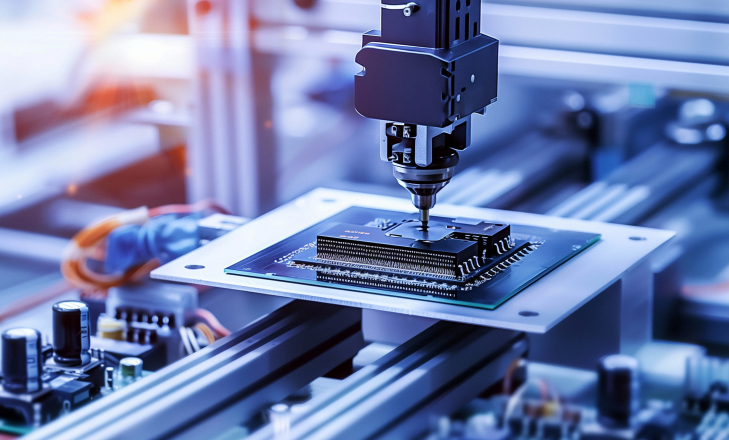
Focusing on regional key regional industries such as non-ferrous metals, electronic information, and ceramics, it carefully selects 30 exemplary industry-education integration demonstration majors (groups).The system deeply promotes reforms in training modes, school-running modes, and teaching modes, while simultaneously strengthening faculty development and practical training bases. A diversified talent cultivation mechanism has been established, relying on industrial parks, government coordination, deep school-enterprise collaboration, and participationbetween industry associations and research institutes.

This approach annually supplies relevant industries with a large number of high-quality technical and skilled professionals.

Basic education has made progress in advancing the improvement of compulsory education conditions and capacity enhancement initiative.

Efforts are continuously made to elevate teachers' ability and professionalism in teaching with passion and expertise, and strives to provide basic education that satisfies the public.

Currently, we are vigorously promoting the digital transformation of education, building smart campuses, and actively exploring innovative applications of new technologies such as artificial intelligence in the field of education.

At the same time, we have continuously deepened the opening up and cooperation in education. There are nearly 100 Sino-foreign cooperative education programs in operation across the province, with over 4,000 registered international students and more than 300 foreign teachers employed. A multi-level and wide-ranging pattern of educational openness has basically taken shape.